

Asian Jumping Worm (AJW)
What Colorado Gardeners Should Know
|
Confirmed Range |
Colorado Springs Status |
How to Identify
Appearance
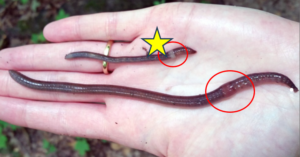
- Up to 6 inches long, red to brown, often with a metallic sheen
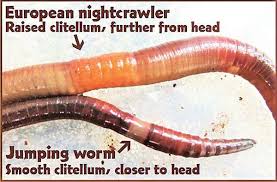
- The band around the body (clitellum) is white or lighter than the rest of the body
- The clitellum sits close to the head and lies flat against the body
- Thrash and move erratically when disturbed
Soil Signs
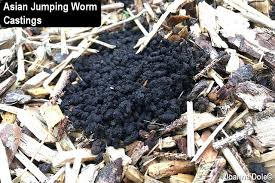
- Look for grainy surface soil that resembles coffee grounds or cat litter
- AJWs live in the top few inches of soil and leaf litter. Disturbing the topsoil reveals them
Side-by-Side Comparison
|
Common Earthworm (Beneficial) |
Asian Jumping Worm (Watch For) |
|
Band is raised, same color as body |
Band is flat, white or lighter than body |
|
Band sits further from the head |
Band sits close to the head |
|
Slow, docile movement |
Violent, snake-like thrashing |
|
Castings look like small mounds |
Castings look like coffee grounds |
|
Tunnels deep – aerates and enriches soil |
Lives on or near surface – disrupts surface soil |
Impact on Your Garden
AJWs live in leaf litter and the top few inches of soil, which means garden soil, surface roots, and mulch are the first things affected.
- Their hyperactivity breaks down soil nutrients faster than plants can absorb them, creating sterile soil even when nutrients are technically present
- The resulting loose, granular soil dries out quickly and can damage plant roots
- Because they stay near the surface, leaf litter and feeder roots are the first structures consumed, unlike common earthworms, which tunnel deep and improve soil
Why They Spread Quickly
- Asian Jumping Worms reproduce without mating, so populations grow fast
- Adults die off with the first hard freeze, but their tiny eggs (cocoons) survive the winter
- Eggs hatch the following spring, starting the cycle again
- Eggs are virtually impossible to see and easily transferred in soil, mulch, or compost
What You Can Do
If You Find One
- Contact the Colorado Department of Agriculture (information below)
- Remove worms by hand and place them in a sealed plastic bag
- Dispose of the bag in the trash – do not compost
- There are no chemical control methods; physical removal is the only option
- Take photos and/or videos if you need help identifying
Prevention
- Avoid using soil, mulch, or compost that has not been heat-treated
- Only purchase amendments from reputable, trusted sources
- Inspect new plants and soil before introducing them to your garden
Questions about your garden soil or amendments?
Our team is here to help! Ask us about quality soil and compost options.
For more information, click the link below:
https://ag.colorado.gov/plants/pest-survey/asian-jumping-worm